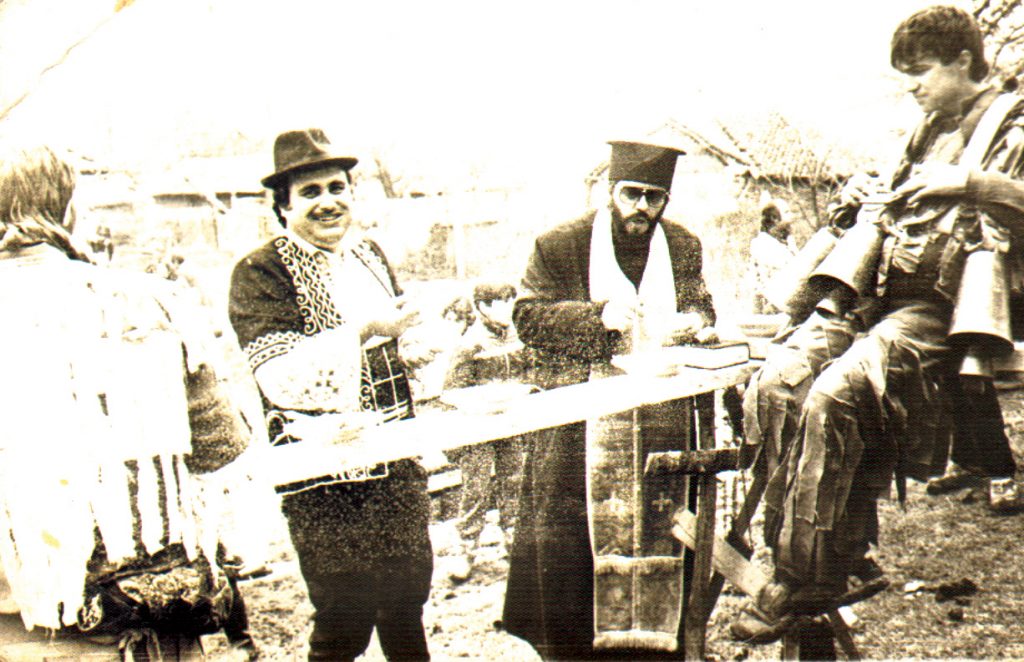

Divotino is situated 4 km north from the town of Pernik. Nowadays the most beloved holydays in the village are the local fair on 24 May and Surova. In the archive of the Regional Historical Museum the story of Ek. Kirilova is preserved. She was born in 1897 and her narrative suggests a lot of valuable information about the state of the feast in the very beginning of the last century. Here is the story of Ek. Kirilova:
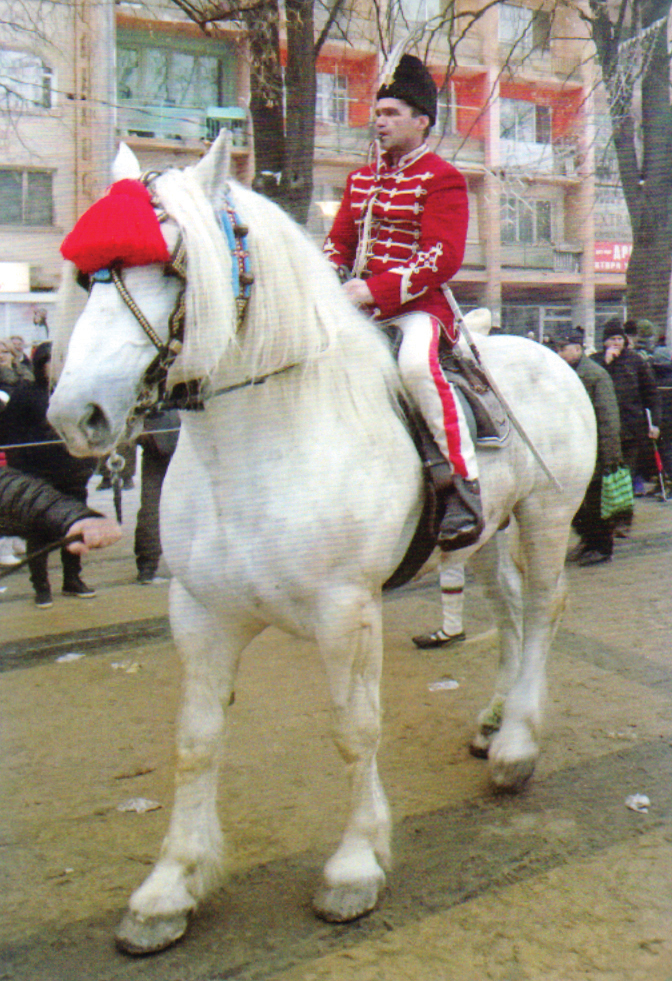
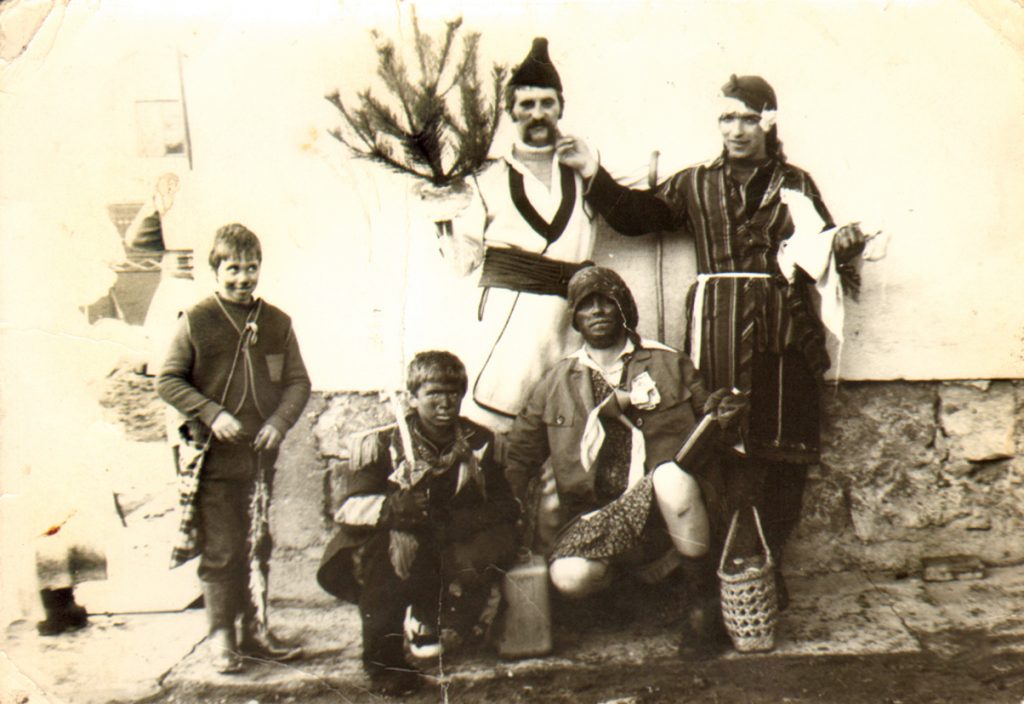
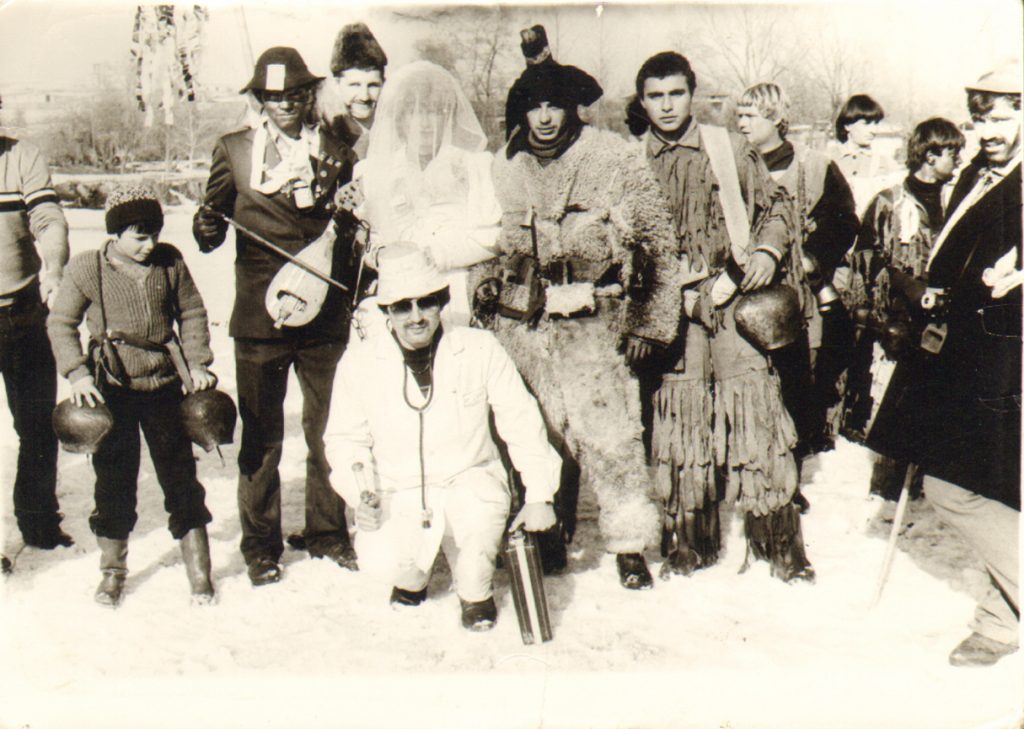
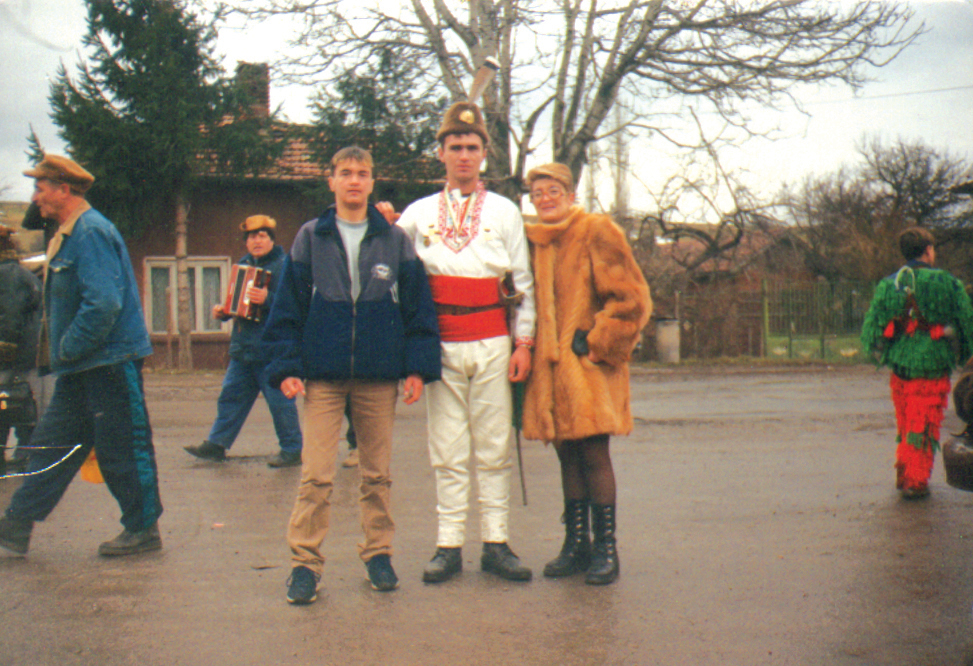
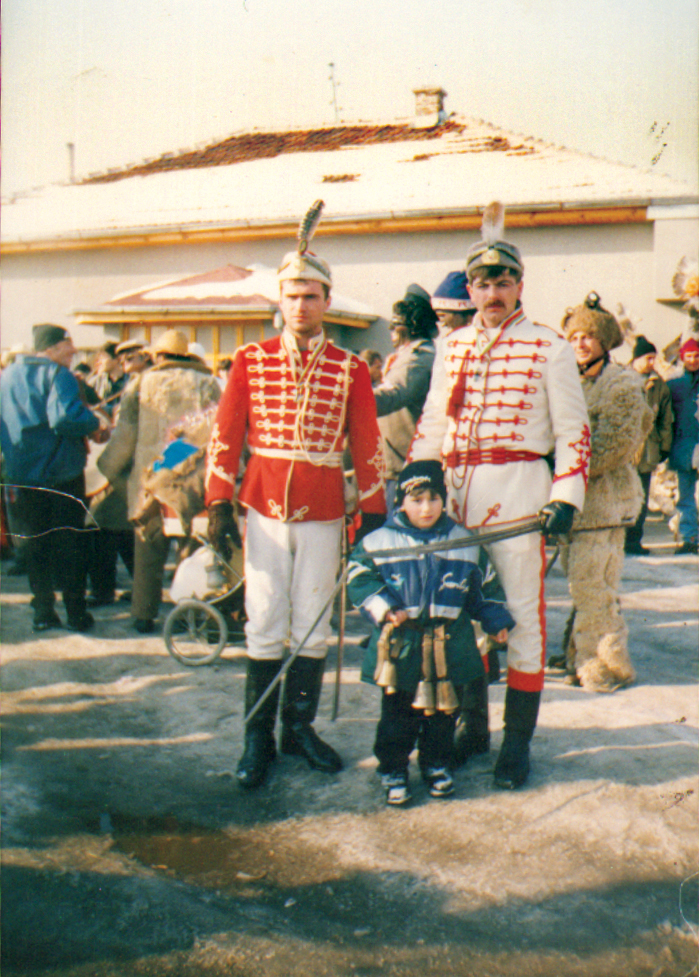
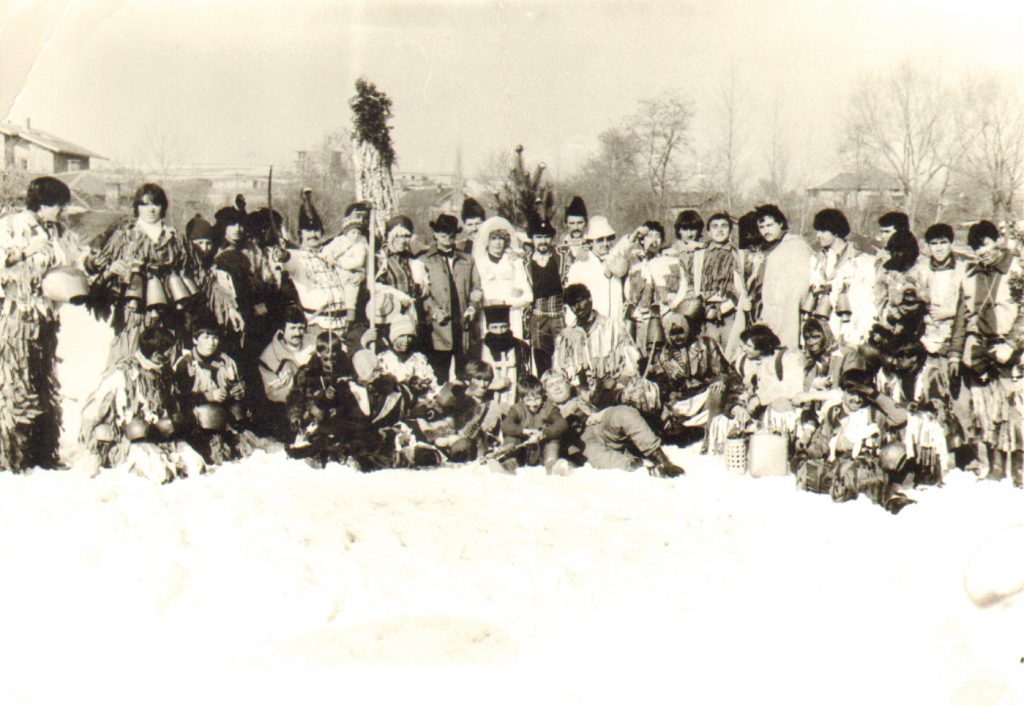
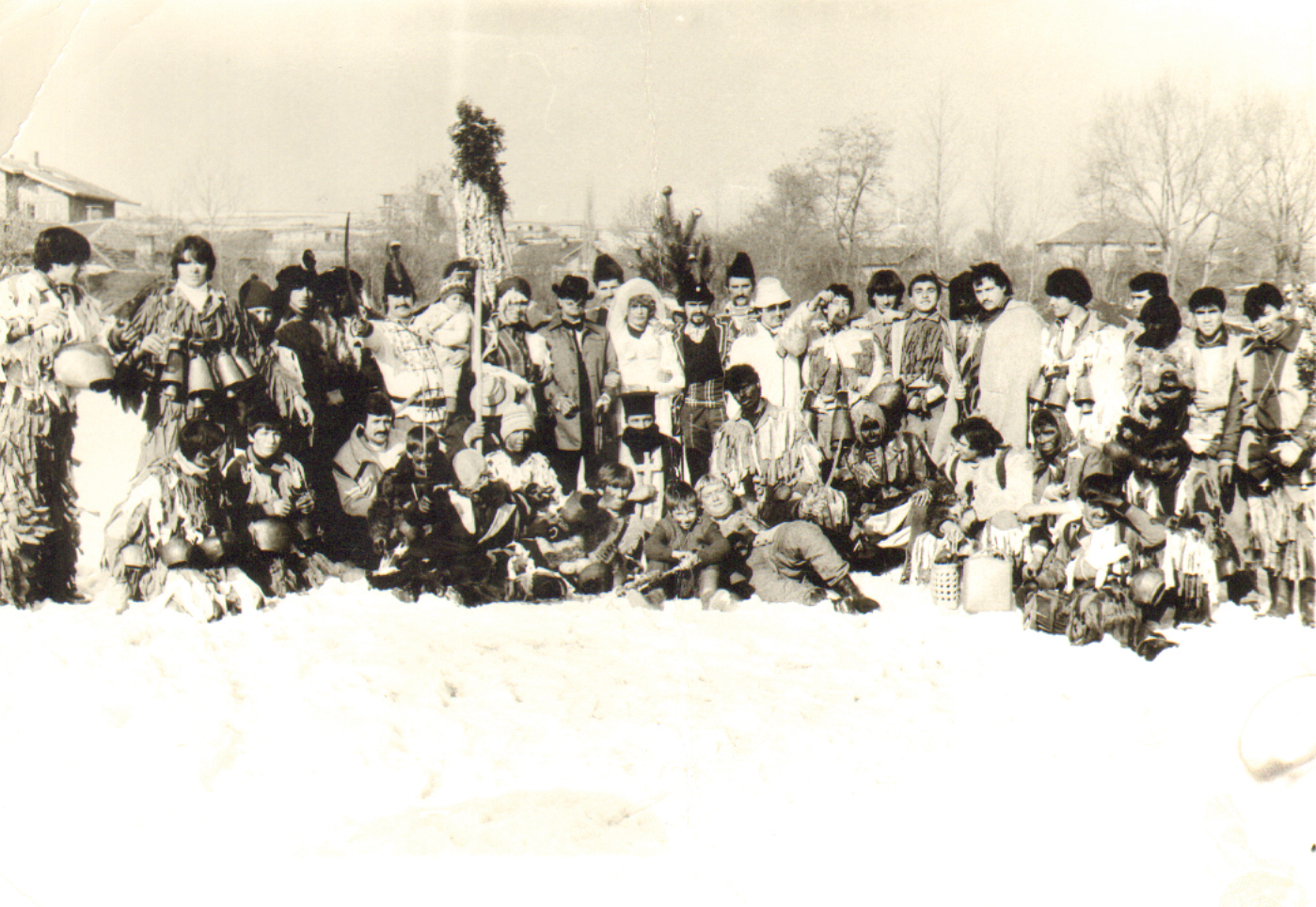
“For Surova in each house are prepared banica (cheese pie), bread, pork with cabbage, drinks, pretzels (kolacheta) for the little children. Our table should be full this evening, so that we have an abundant year – in the fields and in the house. And we are expecting guests as well – the survashkari. Those are a group of bachelors, dressed in festive costumes. They were going from house to house the whole night shouting on the streets: “Surovaaa, Surovaaa”. One of the survashkari is dressed as a bride – in a new pretty pinafore dress. On his head – a red silk kerchief, tied like on a real bride – with a flower tucked on the left side, and a feather – on the right. All those clothes he has taken from a certain pretty maiden, who has given them out for good luck. Next to the survashkari “bride” there is also a “groom”, dressed in his finest clothes and with a leather cap on the head, we call him “groom in a hat”. With them there are a “best man”, a “lady of honor”, a “brother in law” – everything like on a real wedding. There is also a “standard bearer” with a flag. And some of the bachelors dress like gypsies and make their faces black. They bring a mop from the fireplace to stain the people in the village. The group has a drum, they play the fiddle, dance…
Through the whole night, the survashkari go from yard to yard and do not miss a house, because the hosts will be offended. “The bride” carries a decorated stick and lightly pats everyone, who welcomes them. In each house, she taps the host and his wife on the head or on the back. In the houses where there are girls, they jest with them – they pinch and hitch them… And the maidens bring gifts on a tray and empty them in the bags of the survashkari. They give them gifts for good health. When I was a maiden, I made presents for them too. The gifts are meat, flour, pig fat, rakia (brandy)…things like that. We wait for them the whole night and when we hear them yelling on the street we jump up: “The survashkari are coming!” We go out, push the door wide open and happily welcome them. Dad used to say: “You will play for my good health” and they started the horo (chain dance). The horo is a circle – only to the right. They would turn it three times in our yard and go to the next house. Sometimes the maidens would go after them to the next few houses to watch them and enjoy their performance. The whole night the bachelors go round the village, the whole night they yell “Surovaaa, Surova New Year!” They yell at one end and you can hear them at the other. If they do not say “Surova New Year”, we would not give them gifts. I can see now (70s of the 20th century) that they started wearing leathers and rags…, they put masks on their faces… horns…, but in my childhood there were no masks and costumes like that. Only “a wedding party”, the survashkari are a “wedding party”.
Very good feast. The best!…”
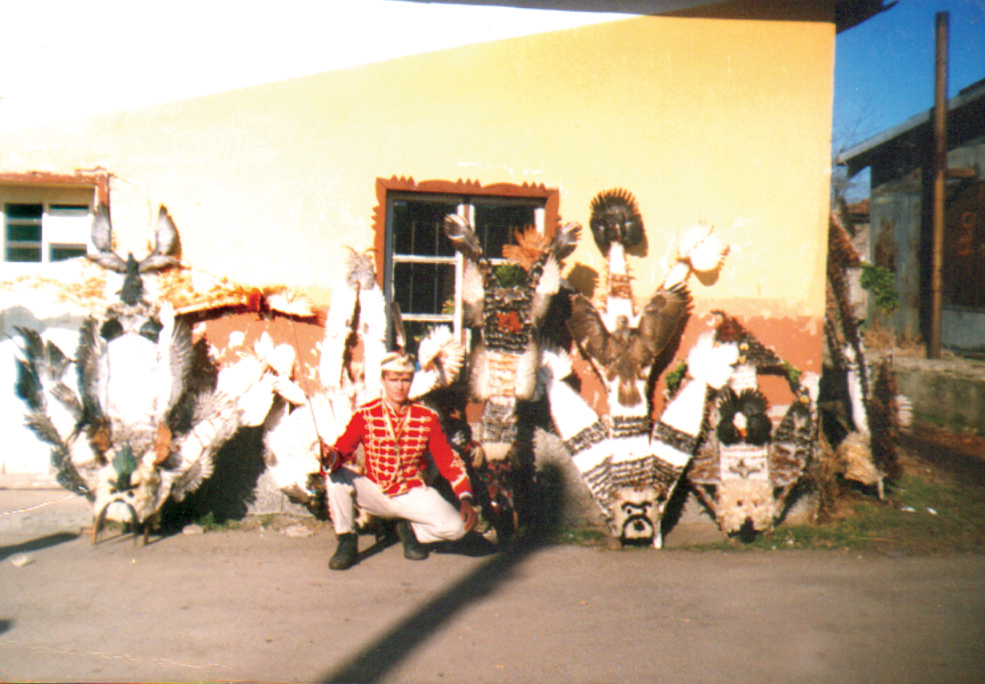
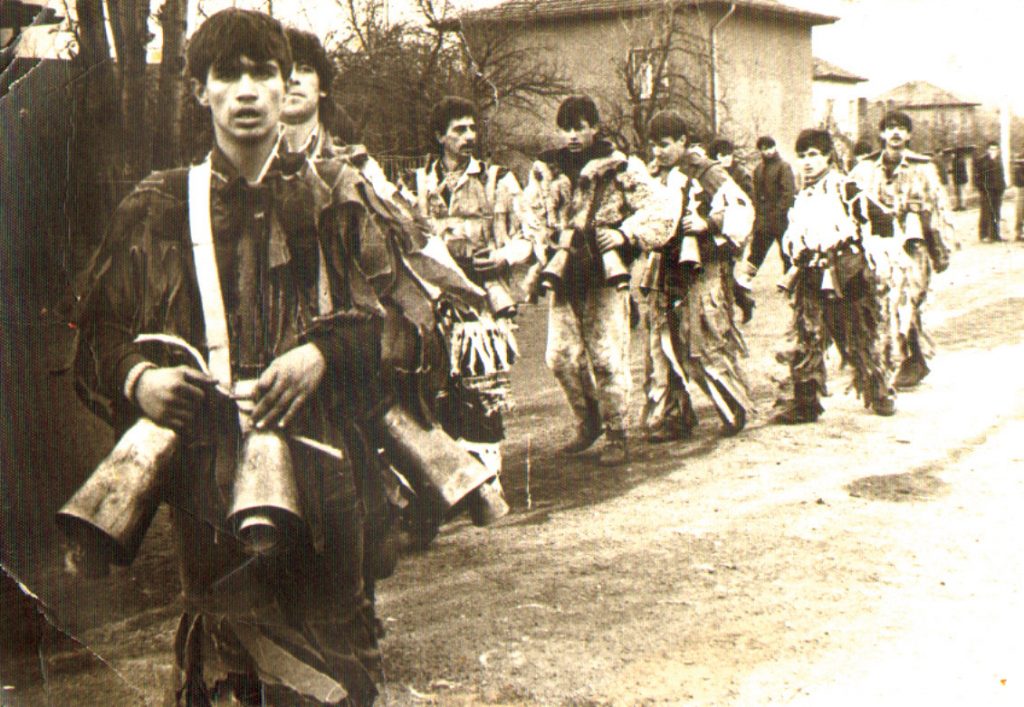
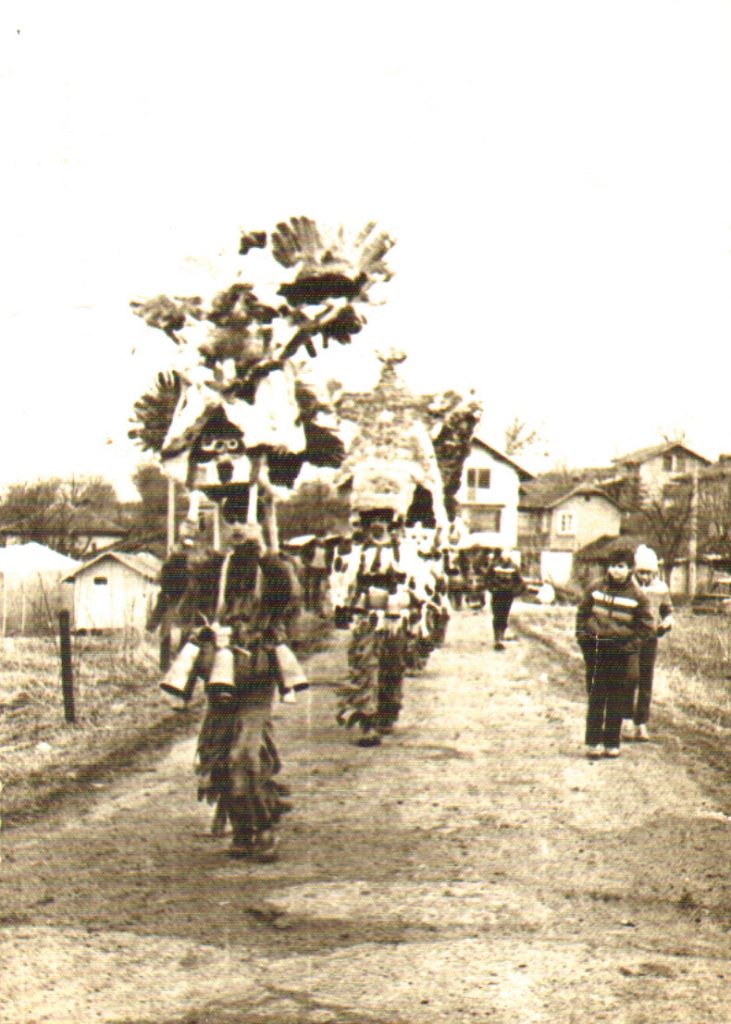
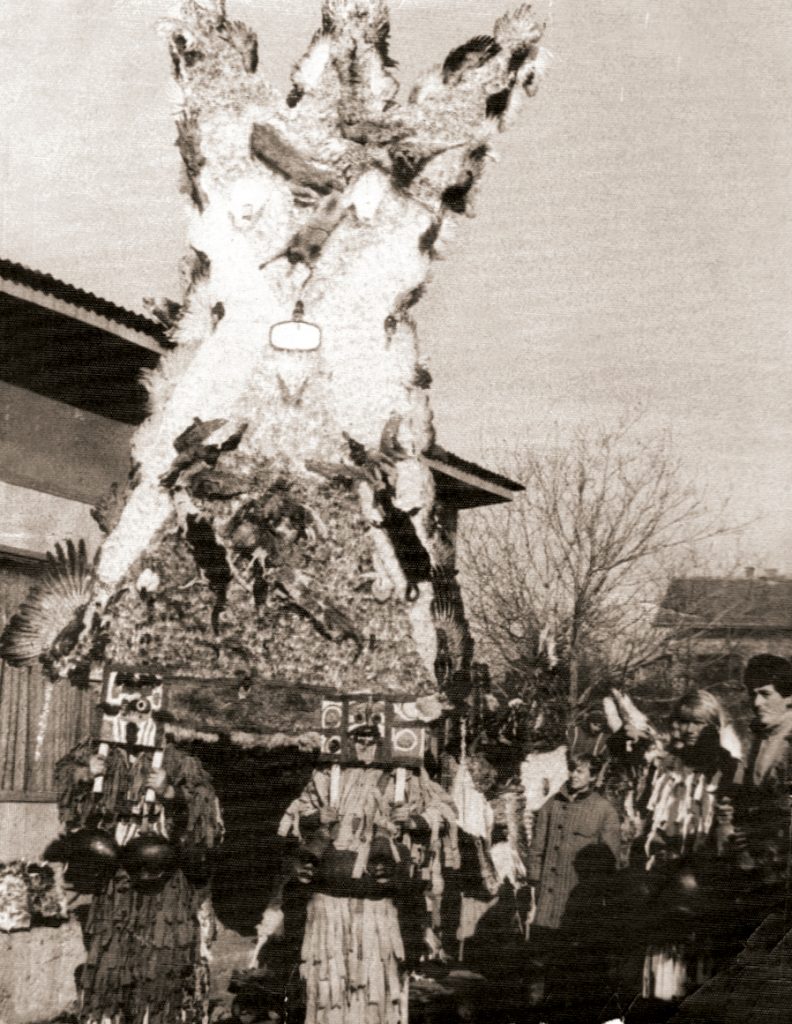
Nowadays in Divotino there are 120 participants on Surova, dressed in costumes made of ribbons, with heavy bells on the belt and huge masks made of feathers and bird wings. The feast is anticipated with joy and enthusiasm.
Archive of the Regional Historical Museum – Pernik